Collection: Beeswax Wraps

How many rolls of cling film do you get through in a year? If you're anything like most UK households, the answer is probably more than you'd think. Cling film is one of those everyday items that's easy to reach for without a second thought, but almost all of it ends up in landfill where it sits for centuries without breaking down.

Beeswax wraps do the same job without the waste. They cover bowls, wrap sandwiches, keep cheese fresh, and store half-cut fruit and vegetables, all using materials that come from nature and go back to it when they're done. Ours are made from organic cotton coated in beeswax, pine resin, and jojoba oil, and they last up to a year of regular use before they need replacing.

How Beeswax Wraps Work

The principle is simple. When you hold a beeswax wrap in your hands, the warmth of your skin softens the wax coating and makes the fabric pliable. You press it around whatever you're covering, whether that's a bowl of leftovers, a chunk of cheese, or a sandwich for tomorrow's lunch, and as it cools, the wax firms up and holds its shape. It creates a natural seal that keeps food fresh while still allowing it to breathe, which is actually better for some foods than the airtight seal that cling film provides.

Cheese is a good example. Cling film traps moisture against the surface, which encourages mould to grow faster. A beeswax wrap lets the cheese breathe just enough to stay fresh without drying out, which is why so many cheese lovers swear by them. The same goes for bread, wrapping a loaf in beeswax keeps the crust from going soft while preventing the inside from staling too quickly.

What You Can Wrap

Beeswax wraps are versatile enough for most everyday food storage needs. Here are some of the most common uses.

Bowls and Dishes

Press a wrap over the top of a bowl to cover leftovers in the fridge. The warmth of your hands moulds it around the rim, and it stays put without needing a rubber band or clip. This works for everything from half-used tins of beans to salad bowls.

Sandwiches and Snacks

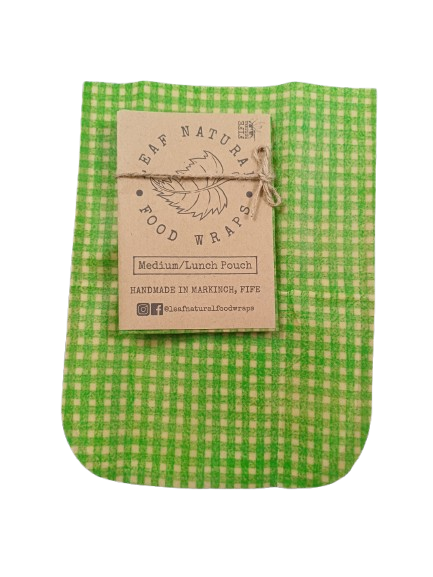
A medium-sized wrap folds neatly around a sandwich, and because the wax holds its shape, it stays closed in a lunch bag without tape or cling film. It's a small switch, but over the course of a school year or a working week, it adds up to a lot less plastic.

Cheese and Bread

Both of these foods store better in breathable wrapping than in plastic. Beeswax wraps keep cheese at the right moisture level and stop bread from going stale or sweaty. If you've ever pulled a block of cheddar out of cling film to find it slimy and unappetising, you'll notice the difference straight away.

Fruit and Vegetables

Half an avocado, a cut lemon, or the end of a cucumber all keep well in a beeswax wrap. The wrap moulds around the cut surface to slow down browning and drying, and because it's breathable, the food doesn't get that condensation that plastic creates.

What to Avoid

Beeswax wraps aren't suitable for raw meat, raw fish, or anything that needs to be stored at very high temperatures. The beeswax coating softens in heat, so don't use them to cover hot food or put them in the microwave. Stick to cold and room-temperature food, and they'll work brilliantly for almost everything in your kitchen.

What Our Beeswax Wraps Are Made From

Our wraps are made from natural ingredients, and each one serves a purpose.

Organic Cotton

The base fabric is organic cotton, which gives the wrap its structure and flexibility. Cotton is breathable, food safe, and biodegradable, and using organic means it was grown without synthetic pesticides or fertilisers.

Beeswax

The beeswax coating is what makes the wrap stick to itself and form a seal around food. Beeswax also has natural antibacterial properties, which helps keep food fresh for longer. Ours is sourced from UK beekeepers as a byproduct of honey production, so it supports the same bee colonies that produce our raw honey.

Pine Resin

Tree resin makes the wrap slightly tacky, which is what allows it to grip around bowls and fold neatly around food. Without the resin, the wrap would feel waxy but wouldn't hold its shape. Pine resin is harvested sustainably from living trees without harming them.

Jojoba Oil

A small amount of jojoba oil keeps the wrap supple and prevents the beeswax from becoming brittle over time. It also helps maintain the wrap's cling as it ages, extending its useful life.

Looking After Your Beeswax Wraps

With proper care, a beeswax wrap lasts around 12 months of regular use. That's a full year of use from a single wrap.

Washing

After each use, rinse your wrap in cold water with a drop of mild washing-up liquid. Give it a gentle rub with your fingers or a soft sponge, rinse again, and hang it up or lay it flat to dry. The key is to keep the water cold because hot water will melt the wax coating. For the same reason, never put beeswax wraps in the dishwasher or washing machine.

Storing

Once dry, fold your wraps and keep them in a drawer or on a shelf. Some people roll them loosely, which works just as well. They don't need any special storage conditions, just somewhere at room temperature away from direct heat sources like ovens or radiators.

Refreshing

After several months of use, you might notice that your wraps start losing their cling or developing creases that won't smooth out. That's normal wear. You can revive them with a refresher block or a small amount of grated beeswax. Place the wrap on a baking tray lined with parchment paper, sprinkle or rub the wax over the surface, and pop it in the oven at a very low temperature (around 80°C) for a couple of minutes until the wax melts and spreads. Take it out, let it cool, and it's as good as new.

End of Life

When a wrap has reached the end of its useful life and refreshing no longer works, it's fully compostable. Cut it into strips and add it to your compost bin, where the cotton and beeswax will break down naturally. You can also use old wraps as fire starters, the beeswax coating makes them catch a flame easily, which is handy for wood burners and fire pits.

Why Switch from Cling Film

The environmental case is straightforward. Cling film is a single-use plastic that can't be recycled through normal household collections. It ends up in landfill or incineration, and tiny fragments of it enter waterways and soil where they persist for hundreds of years. A single beeswax wrap replaces dozens of sheets of cling film over its lifetime, and when it's done, it goes back into the ground as compost.

There's a practical case too. Beeswax wraps genuinely work better for some foods, particularly cheese, bread, and anything that benefits from breathable storage. They're also easier to wash and reuse than plastic containers for quick jobs like covering a bowl or wrapping a snack, and they take up almost no space in a kitchen drawer.

And then there's the feel of them. There's something satisfying about using a material that's warm and natural rather than clingy plastic. It's a small change, but people who make the switch tend to stick with it because they actually prefer it.

Frequently Asked Questions

How Long Do Beeswax Wraps Last?
With regular use and proper care (cold water washing, air drying), our beeswax wraps last approximately 12 months. You can extend their life further with a refresher block when the wax coating starts to wear thin.
Are Beeswax Wraps Hygienic?
Yes. Beeswax has natural antibacterial properties, and washing wraps in cold soapy water after each use keeps them clean. They're not suitable for raw meat or fish, but for everything else they're perfectly food safe.
Can You Put Beeswax Wraps in the Fridge?
Absolutely. Beeswax wraps work well in the fridge and will firm up slightly in the cold, which helps them hold their shape even better. Just avoid the freezer, as extreme cold can make the wax brittle and crack.
What Sizes Do Beeswax Wraps Come in?
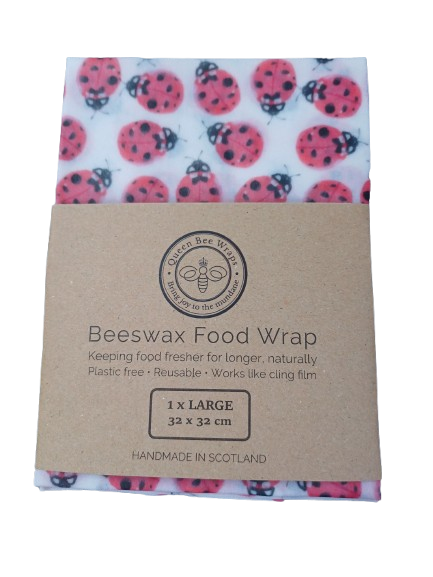
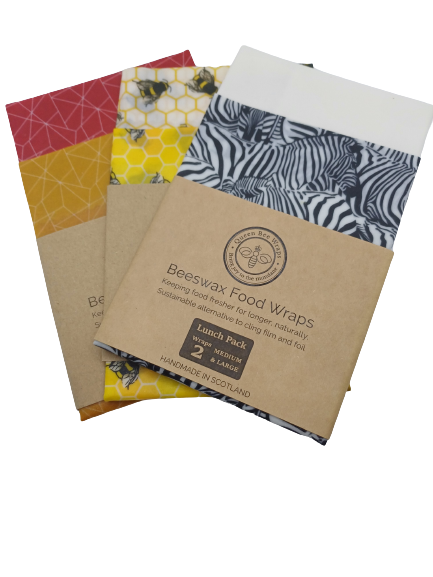
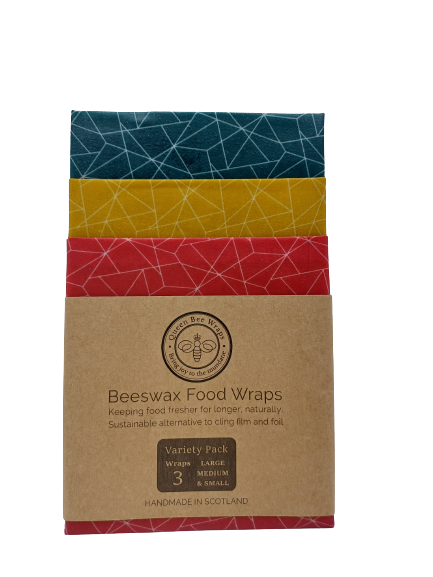
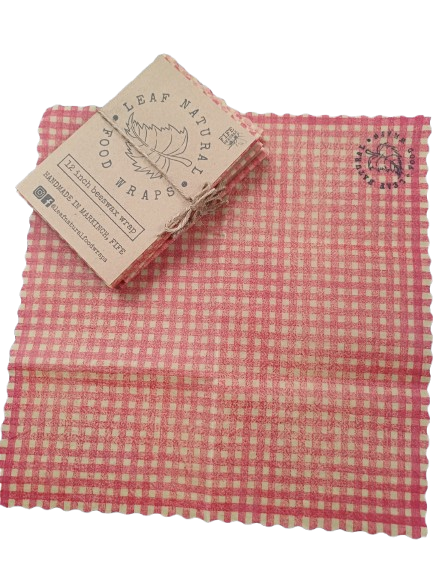
We offer a range of sizes and formats. Individual wraps come in 12 inch, large, and extra large options, and we also stock lunch packs, variety packs, bread pouches, and lunch pouches. Variety packs with multiple sizes give you the most flexibility for different kitchen jobs.
Are Beeswax Wraps Compostable?
Yes. Every ingredient in our wraps (organic cotton, beeswax, pine resin, jojoba oil) is natural and biodegradable. When a wrap reaches the end of its life, you can cut it up and add it to a home compost bin where it will break down within a few months.
Do Beeswax Wraps Replace Cling Film Completely?
For most kitchen uses, yes. They cover bowls, wrap sandwiches, store cheese, and keep produce fresh. The only things they can't handle are raw meat, raw fish, and hot food. For those, you'll still need an alternative, but for everything else, beeswax wraps do the job and do it well.

Browse Our Beeswax Wraps

Every wrap in this collection is handmade using natural ingredients. They make a practical everyday swap from cling film, and they also make a lovely gift for anyone looking to make more sustainable choices in the kitchen.

We deliver across the UK with tracked Royal Mail shipping at £3.65, or free on orders over £60. Our wraps pair nicely with our beeswax candles and natural skincare products, so feel free to explore the rest of our collections. If you have any questions, we'd love to hear from you through our contact page.