Collection: Bee Honey
-
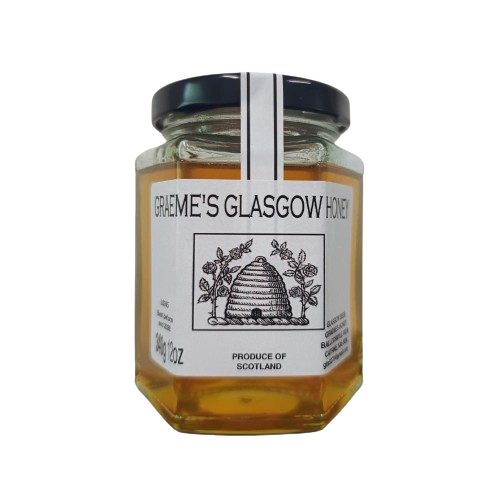
Graeme's Glasgow Runny Honey
Regular price From £8.00 GBPRegular priceUnit price / perSale price From £8.00 GBP -
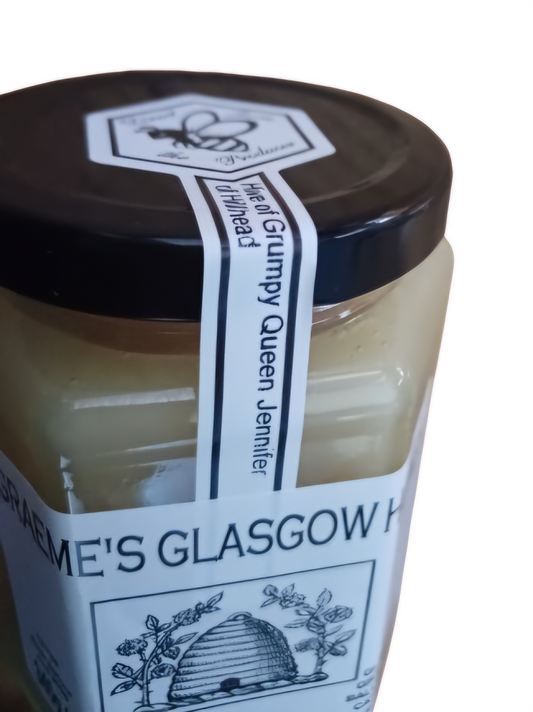
Graeme's Glasgow Set Honey
Regular price From £8.00 GBPRegular priceUnit price / perSale price From £8.00 GBP -
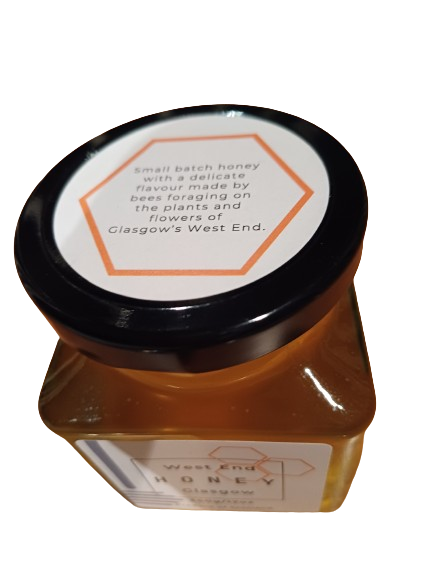
Sold outGlasgow West End Honey.
Regular price £10.50 GBPRegular priceUnit price / perSale price £10.50 GBPSold out -
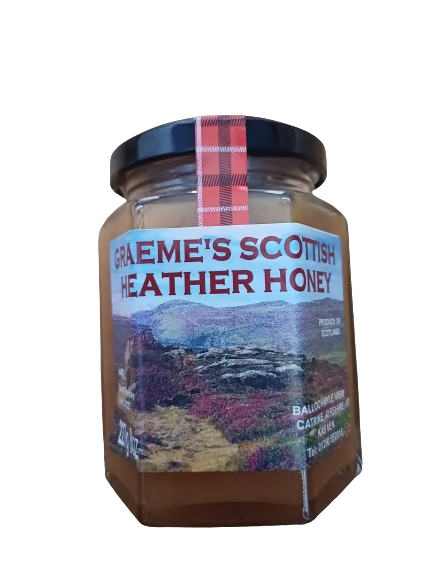
Graeme's Scottish Heather Honey
Regular price From £9.00 GBPRegular priceUnit price / perSale price From £9.00 GBP -
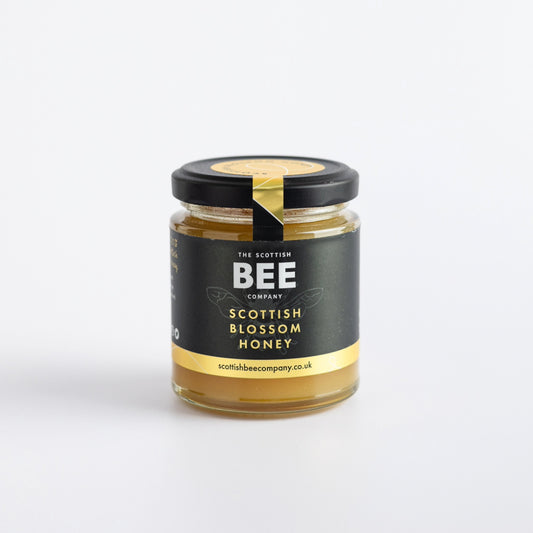
Scottish Blossom Honey
Regular price From £8.00 GBPRegular priceUnit price / perSale price From £8.00 GBP -
Scottish Heather Honey
Regular price £9.00 GBPRegular priceUnit price / perSale price £9.00 GBP -
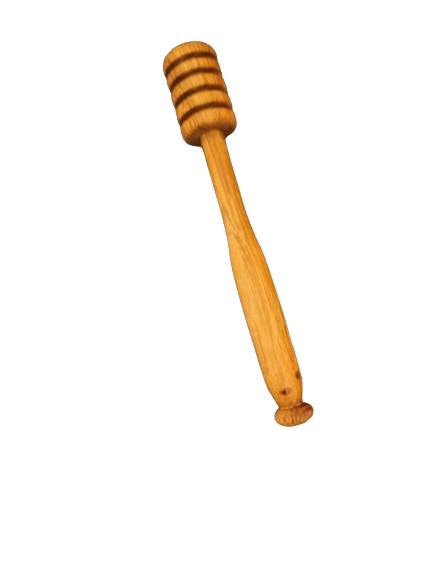
Hand turned Honey Dipper
Regular price £6.50 GBPRegular priceUnit price / perSale price £6.50 GBP -
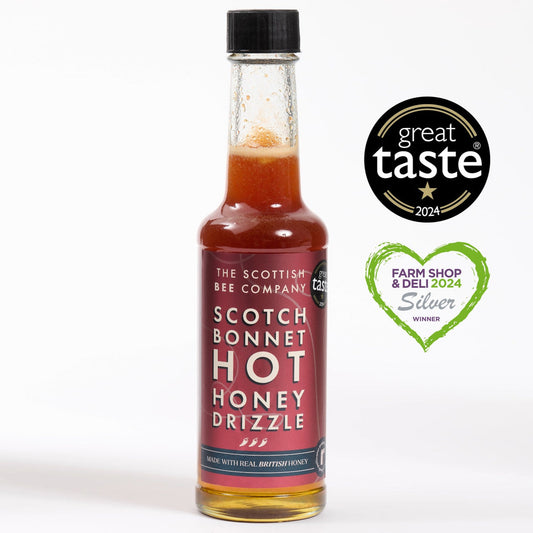
Scotch Bonnet Hot Honey Drizzle
Regular price £8.50 GBPRegular priceUnit price / perSale price £8.50 GBP -
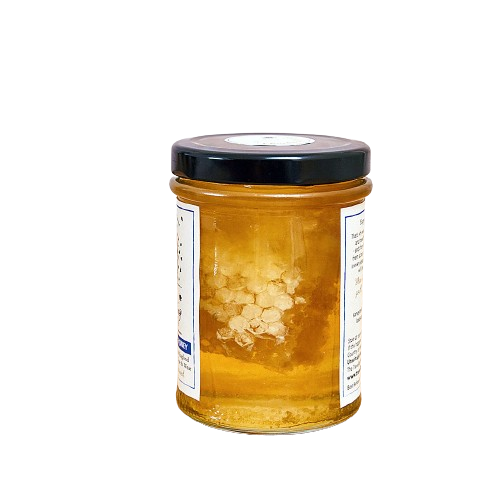
Wild Flower Honey with Honeycomb
Regular price £9.00 GBPRegular priceUnit price / perSale price £9.00 GBP -
Scottish Flower Honey
Regular price £8.00 GBPRegular priceUnit price / perSale price £8.00 GBP -
Scottish Heather Honey
Regular price £9.00 GBPRegular priceUnit price / perSale price £9.00 GBP -
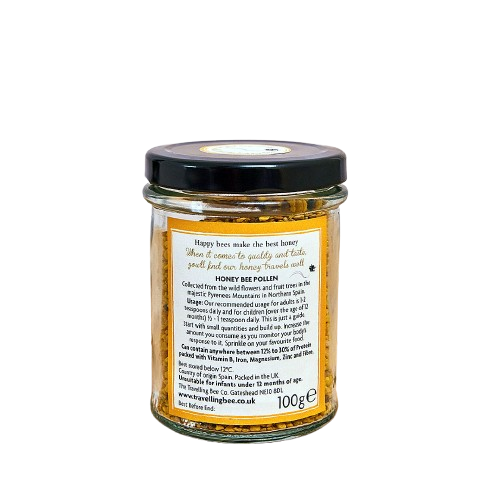
Sold outBee Pollen
Regular price £9.50 GBPRegular priceUnit price / perSale price £9.50 GBPSold out
Most honey on supermarket shelves has been heated, fine-filtered, and blended until there's almost nothing left of what the bees actually made. It pours easily and looks clear, but the processing strips out the enzymes, pollen, and antioxidants that give honey its natural character. By the time it reaches the shelf, much of what made it special has been lost.
Raw honey is different. Ours comes straight from Scottish and English hives, cold-filtered to remove debris but never heated above hive temperature. That means all the natural compounds that bees put into their honey stay exactly where they are. You can taste the difference the moment you open the jar.
What Makes Raw Honey Different
The word "raw" doesn't have an official legal definition when it comes to honey, which is why some brands use it loosely. For us, raw means three things: the honey is never heated above 40°C (roughly the temperature inside a working hive), it's never pasteurised, and it's only lightly filtered to remove wax and debris while keeping the pollen and enzymes intact.
Commercial honey production works differently. Large-scale processors heat honey to around 70°C to make it flow faster through fine filters and into bottles. That heat destroys the natural enzymes and much of the nutritional value. They blend honey from multiple countries to create a consistent taste and colour, which is why supermarket honey always looks and tastes the same regardless of the season.
Raw honey varies from batch to batch because it reflects what the bees were foraging on at the time. A jar from spring blossom tastes different from one collected after the heather flowers in late summer. That variation isn't a flaw; it's proof that nobody has interfered with what the bees produced.
Our Honey Collection
We work with trusted Scottish and English beekeepers who harvest their honey responsibly, leaving enough in the hive for the colonies to thrive through winter. Every jar in our collection is raw, unfiltered, and packed with the natural goodness that excessively processed honey loses.
Heather Honey
Scottish heather honey is prized for its distinctive amber colour, thick texture, and strong, almost toffee-like flavour. It's harvested in late summer after the heather blooms across the Scottish Highlands, and its naturally thick consistency means it holds its shape on toast rather than dripping off. Heather honey has been part of Scottish food traditions for centuries, and it remains one of the most sought-after varieties in the UK.
Wildflower and Blossom Honey
Collected from hives surrounded by mixed wildflower meadows, this honey has a complex, layered flavour that changes with the seasons. It's lighter in spring when the bees forage on blossom, and richer in late summer when they've had access to a wider range of flowers. Our range includes Scottish blossom honey, English soft set wildflower honey, and wildflower honey with honeycomb for something a little different.
Glasgow Honey
Urban honey has a character all of its own. Our Glasgow honeys come from Graeme's Glasgow Honey, with hives dotted across the city. Available in both runny and set varieties, Glasgow honey reflects the surprisingly diverse range of flowers, trees, and gardens that bees forage on in an urban environment.
Westend Honey
Our Westend honey is a product loved by our customers and is extremely popular when it’s in stock. It comes from a small-scale beekeeper based in Glasgow’s West End, and once his harvest is done for the season, there is no more until the following year.
This means that there is no warehouse full of stock and no way to get more Westend Honey until the bees produce the next batch the following year. This is what makes our Westend Honey so unique and special. That’s why if it’s in stock on our store, it’s definitely worth picking it up while you can.
Set Honey and Runny Honey
Some of our honey arrives naturally set (thick and spreadable), while others are runny. The difference comes down to the ratio of glucose to fructose in the nectar the bees collected. Neither is better or worse, it's simply a matter of preference. If you prefer your honey runny and it arrives set, gently warming the jar in warm water will loosen it without damaging the enzymes.
Why is Raw Honey Good for You?
Honey contains over 200 natural compounds, including vitamins, minerals, amino acids, and enzymes that your body can actually use. Raw honey keeps all of these intact because it hasn't been cooked out of existence during processing.
Immune Support and Antibacterial Properties
Raw honey has natural antibacterial and antimicrobial properties that have been recognised for thousands of years. The NHS recommends honey as a soothing treatment for coughs and sore throats, and many people take a spoonful daily during winter as a general immune boost.
Antioxidants and Pollen
Unfiltered raw honey contains traces of bee pollen and propolis, both of which carry their own health benefits. The antioxidants in honey help protect cells from damage, and the pollen content means every jar reflects the unique landscape and flora around the hives it came from.
Natural Energy
The natural sugars in honey, primarily fructose and glucose, provide a steady source of energy without the sharp spike and crash that refined sugar causes. Athletes have used honey as a natural energy source for decades, and it works just as well stirred into porridge before a long walk as it does in a sports drink.
Why Honey Crystallises (and Why That's a Good Thing)
If your raw honey goes thick and grainy after a few weeks, don't worry. That's crystallisation, and it's one of the clearest signs that your honey is genuinely raw and unprocessed. All real honey crystallises eventually because of its natural glucose content. The speed depends on the type of honey: rapeseed honey can crystallise within days, while acacia honey might stay runny for months.
Crystallised honey tastes exactly the same as runny honey and is perfectly safe to eat. Many people actually prefer the thick, spreadable texture. If you'd rather have it runny again, stand the jar in a bowl of warm water (not boiling) for 15 to 20 minutes and it will soften without losing any of its beneficial properties. The key is to keep the temperature below 40°C so the honey holds on to all its natural goodness.
From Scottish and English Hives to Your Table
A large majority of honey sold in the UK is imported, often blended from multiple countries and processed in bulk. We do things differently. Our honey comes from Scottish and English beekeepers who we know and trust, people who manage their hives with the bees' welfare in mind and harvest only the surplus that the colony doesn't need.
After extraction, the honey is cold-filtered to remove any bits of wax or comb, then jarred and labelled without any further processing. There's no blending with cheaper imports, no additives, and no heating. What goes into the jar is exactly what the bees made, and the flavour reflects the flowers and landscape around each apiary.
As a family business built around promoting the role of bees in sustaining biodiversity, we care about where our honey comes from and how it's produced. Every jar you buy supports a UK beekeeper and their colonies, which in turn supports the pollination of wildflowers and crops across the country.
How to Store Raw Honey
Raw honey is one of the least fussy foods you can buy. Keep it in a cool, dry place away from direct sunlight and it will last for years. There's no need to refrigerate it, and doing so will actually speed up crystallisation. If the lid is sealed properly, honey doesn't spoil. Archaeologists have found edible honey in Egyptian tombs that's over 3,000 years old, which says something about its shelf life.
One important thing to note is that raw honey shouldn't be given to children under 12 months old due to the risk of infant botulism. For everyone else, it's perfectly safe to eat straight from the jar, spread on toast, stirred into drinks, or used in cooking and baking.
Frequently Asked Questions
What is Raw Honey?
What's the Difference Between Raw Honey and Regular Honey?
Why Does Raw Honey Crystallise?
Is Raw Honey Good for Sore Throats?
How Should I Store Raw Honey?
Is Scottish Honey Better Than Imported Honey?
Browse Our Raw Honey Collection
Every jar in this collection is raw, unfiltered, and sourced from Scottish and English beekeepers. Whether you're after a rich heather honey for the pantry or an urban Glasgow honey to try something new, you'll find it here.
We deliver across the UK with tracked Royal Mail shipping at £3.65, or free on orders over £60. Our honey pairs beautifully as gifts with our other products from our beeswax candles and our natural skincare offering, so we hope find something that you like the look of and that you’d bee delighted with it!