
-
Organic buckwheat honey
Regular price £9.50 GBPRegular priceUnit price per -
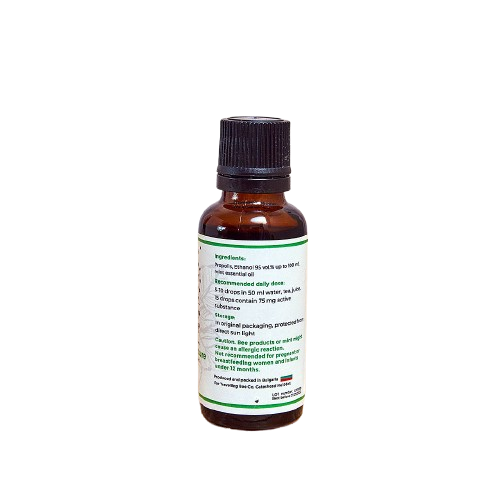
Propolis Tincture with Mint
Regular price £12.50 GBPRegular priceUnit price per -
 Sold out
Rose Infused Honey
Regular price £6.50 GBPRegular priceUnit price per -

 Sold out
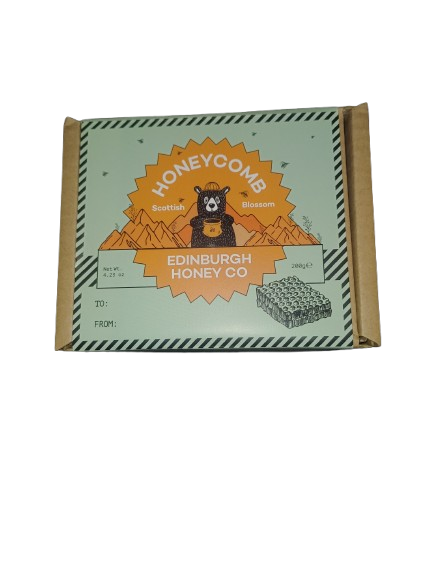
Honeycomb Edinburgh Honey Co
Regular price £11.50 GBPRegular priceUnit price per -
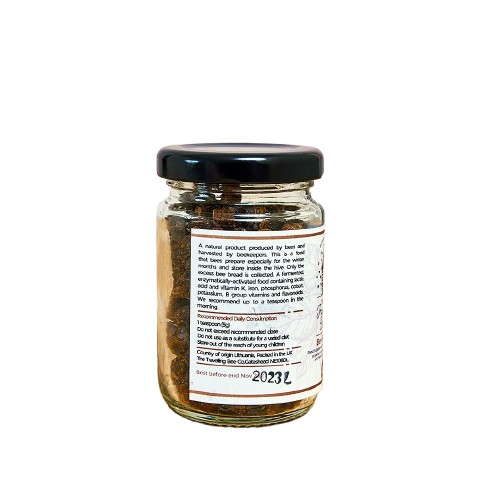
Organic Bee Bread
Regular price £12.50 GBPRegular priceUnit price per






Frequently Asked Questions
What is Raw Honey?
Raw honey is honey that hasn't been pasteurised or heat-treated above hive temperature (around 40°C). It's only lightly filtered to remove wax, which means it retains all the natural enzymes, pollen, antioxidants, and minerals that commercial processing removes. It's honey in the closest form to how the bees made it.
What's the Difference Between Raw Honey and Regular Honey?
Regular supermarket honey is typically heated to around 70°C, fine-filtered to remove all pollen, and often blended from multiple countries. Raw honey skips all of that. It's minimally processed, full of natural compounds, and varies in flavour and texture depending on what the bees were foraging on.
Why Does Raw Honey Crystallise?
Crystallisation is a natural process caused by glucose in the honey forming solid crystals over time. It doesn't mean the honey has gone off. In fact, crystallisation is a sign of genuine, unprocessed honey. You can return it to a liquid state by gently warming the jar in warm water.
Is Raw Honey Good for Sore Throats?
Yes. The NHS recognises honey as an effective soothing treatment for coughs and sore throats. Raw honey retains more of its natural antibacterial properties than processed honey, which is why many people reach for it during cold and flu season.
How Should I Store Raw Honey?
Somewhere cool and dry, out of direct sunlight. Don't refrigerate it unless you prefer a firmer texture, as cold temperatures speed up crystallisation. With the lid sealed, raw honey keeps indefinitely.
Is Scottish Honey Better Than Imported Honey?
Scottish honey reflects the unique flora of the Scottish landscape, particularly heather, wildflowers, and blossom. Whether it's "better" is subjective, but buying Scottish honey means you know exactly where it comes from, you're supporting local beekeepers, and you're getting a product that hasn't been shipped halfway around the world before reaching your table.
